
Ask for inventions by women and the first answers are usually the same three: the windshield wiper, the dishwasher and Kevlar. They are good answers, but they are the start of the list rather than the whole of it. The United States Patent Office issued its first patent to a woman in 1809, and by 1888, when Congress asked for a count, it had granted women more than two thousand. This page gathers thirty of the inventions behind those numbers and the ones that followed, from a hand-cranked ice cream freezer patented in 1843 to the network protocol that keeps the internet from looping back on itself.
Each entry gives the same four things: the inventor, the year, the patent number where one exists (so that every claim on this page can be checked against the record at the Patent Office), and what the invention replaced. Where the credit was taken by someone else, the entry says so only where the record shows it: Margaret Knight’s lawsuit, Elizabeth Magie’s board, Hedy Lamarr’s expired patent. Where an attribution is disputed, the entry says that too. Discoveries, however important, are not inventions, so Marie Curie, Rosalind Franklin and Barbara McClintock are not here; the famous inventors list on this site covers that wider ground, and the site’s chronological lists of the 19th-century and 20th-century inventions show where several of these sit among everything else being invented at the time.
Inventions by women for the home
1. The dishwasher (Josephine Cochrane, 1886)
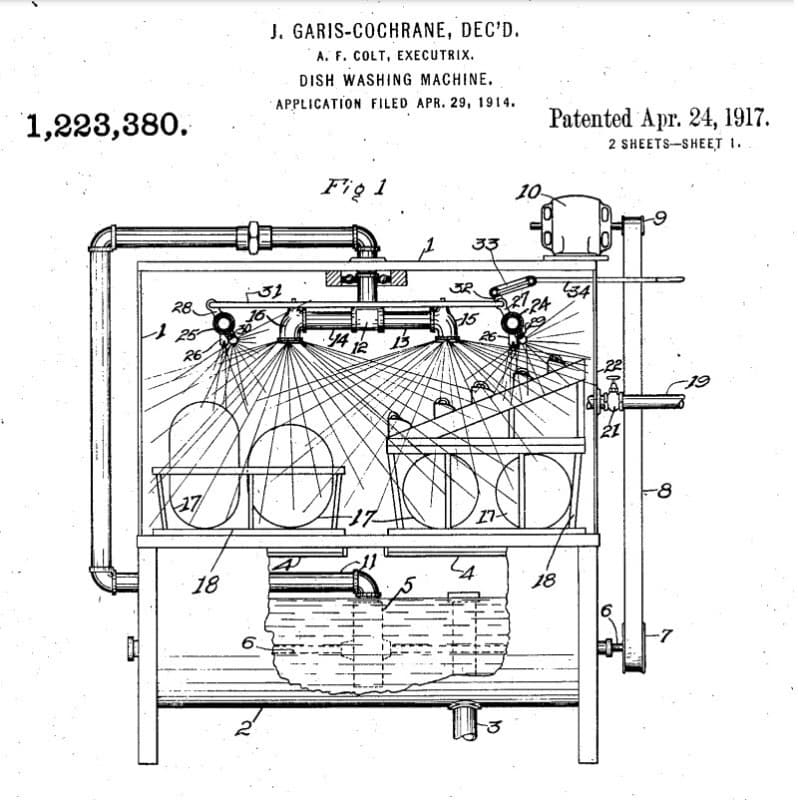
Josephine Cochrane of Shelbyville, Illinois, was a hostess tired of her servants chipping her china, and the machine she patented on 28 December 1886 (US patent 355,139, “Dish washing machine”) is the ancestor of every dishwasher since. Her design held the dishes in wire racks shaped to each piece, set the racks in a wheel inside a copper boiler, and sprayed hot soapy water over them under pressure; earlier attempts had scrubbed the plates mechanically and broken them. She showed it at the 1893 World’s Columbian Exposition in Chicago, sold it first to hotels and restaurants, and founded the Garis-Cochran Manufacturing Company, which after her death in 1913 became part of the business that eventually traded as KitchenAid. The drawing above is from a 1917 patent for the company’s 1914 model, issued after her death to the firm she built.
2. The flat-bottomed paper bag machine (Margaret Knight, 1871)
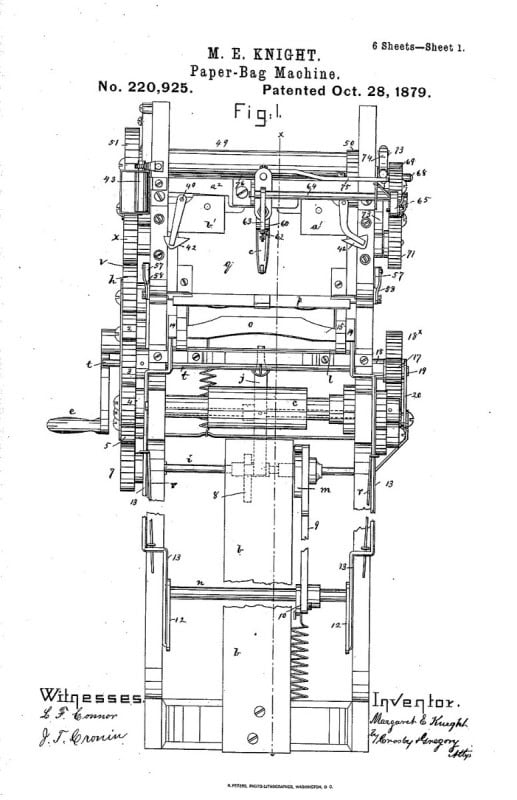
Paper bags before 1871 were glued envelopes that could not stand up. Margaret Knight, working at the Columbia Paper Bag Company in Springfield, Massachusetts, built a machine that cut, folded and glued a square-bottomed bag in one pass, the bag that every grocery sack still copies. While her iron prototype was being made, a machinist named Charles Annan saw it and filed a patent on the design first. Knight sued, produced her notebooks, drawings and witnesses, and won; her patent (US 116,842) issued in July 1871, and the improved machine in the drawing above followed as US 220,925 in 1879. She went on to more than twenty patents, including a series for rotary engines, and is one of the few nineteenth-century inventors of either sex whose court case is as well documented as her machine.
3. The windshield wiper (Mary Anderson, 1903)
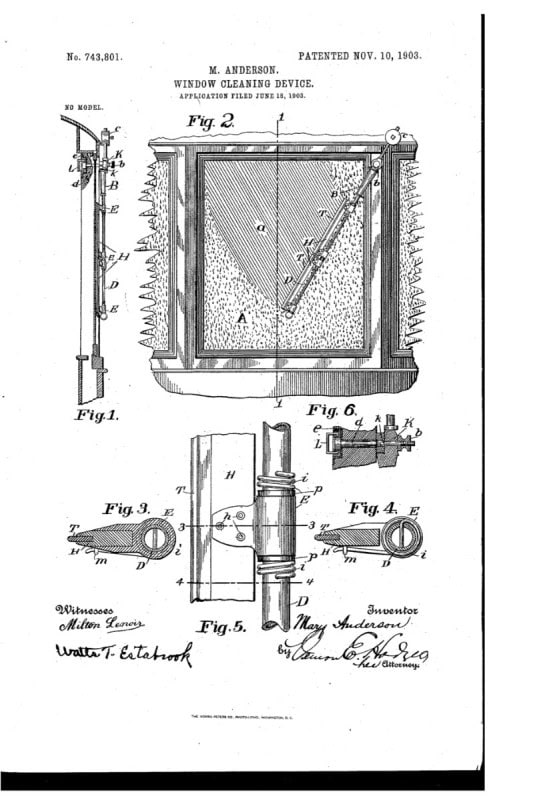
On a winter visit to New York in 1902, Mary Anderson of Birmingham, Alabama, watched a streetcar driver open his window in the sleet to see the road. Her answer, patented on 10 November 1903 as a “window cleaning device” (US 743,801), was a rubber blade on a spring-loaded arm, swung across the glass from a lever inside the car. The drawing above is the patent’s own. Anderson tried to sell the rights and was told the device had no commercial value; her patent ran out in 1920, two years before Cadillac made wipers standard equipment. The design she described, a counterweighted arm that returned to rest at the edge of the glass, is the one still in use.
4. The paper coffee filter (Melitta Bentz, 1908)
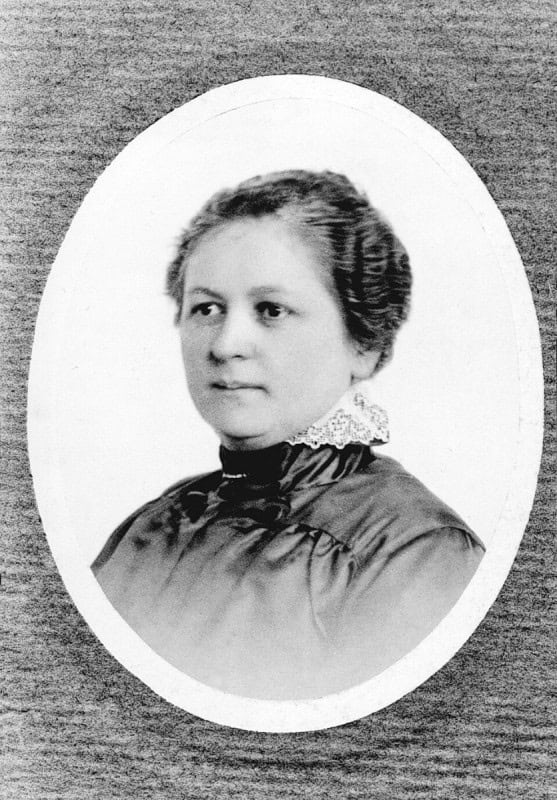
Melitta Bentz, a Dresden housewife, disliked the grounds that cloth and metal strainers let through, and in 1908 she punched holes in the bottom of a brass pot and lined it with a sheet of blotting paper from her son’s school exercise book. The German Imperial Patent Office registered her “coffee filter with a domed underside, recessed bottom and inclined flow holes” as a utility model on 20 June 1908, and in December of that year she and her husband registered the Melitta company with a starting capital of 72 pfennigs. The paper cone, the drip method and the company name are all still in use; the firm remains family-owned.
5. The folding cabinet bed (Sarah Goode, 1885)
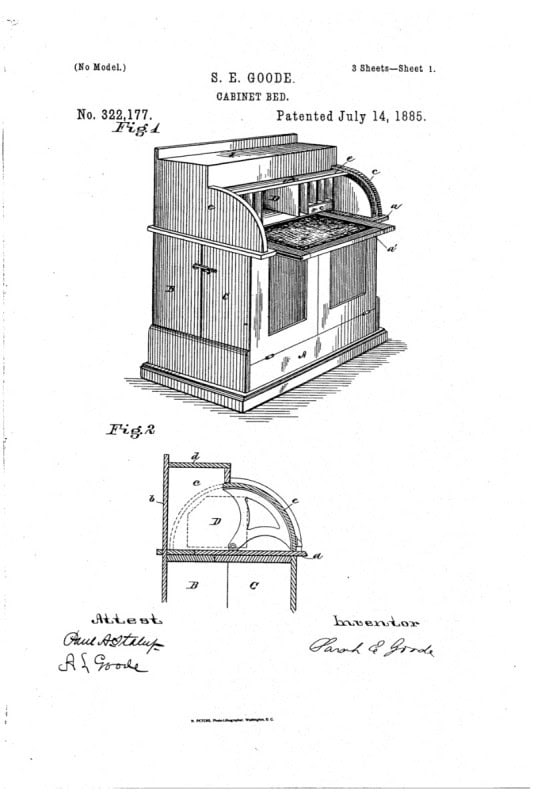
Sarah E. Goode ran a furniture store in Chicago, and her customers lived in apartments too small for both a bed and a desk. Her cabinet bed, patented on 14 July 1885 (US 322,177), folded up into a roll-top writing desk with pigeonholes and storage, a design that anticipates the Murphy bed by fifteen years. The patent, whose drawing is above, is one of the first granted to an African American woman; Martha Jones (1868) and Judy Reed (1884) are among those recorded earlier. The desk-into-bed idea reappears throughout the twentieth century whenever city rents rise.
6. The fire escape bridge (Anna Connelly, 1887)
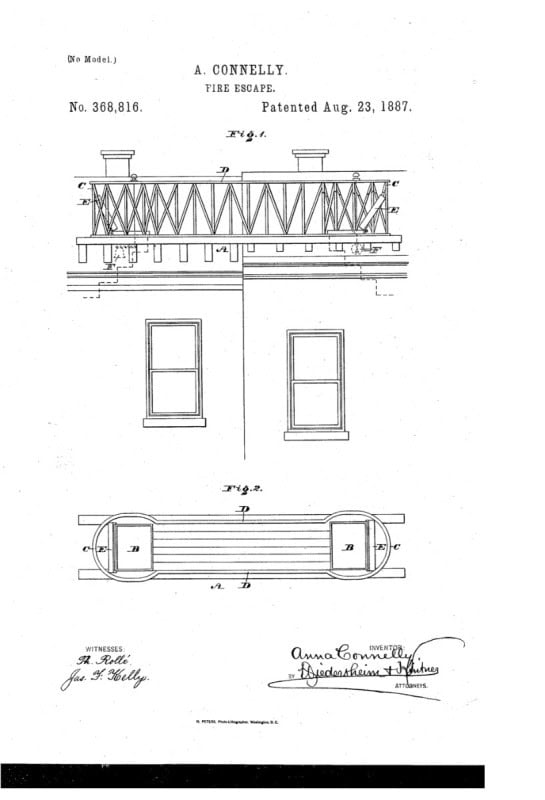
Anna Connelly’s fire escape, patented on 23 August 1887 (US 368,816), was not the iron staircase bolted to a tenement wall but a railed bridge between the roofs of neighbouring buildings, so that people on an upper floor could cross to the next roof and come down a building that was not on fire. The drawing above, from the patent, shows the railings and the gap to be bridged. The patent was filed in a decade when New York’s tenement laws were tightening the requirement for a second way out of upper floors.
7. The improved life raft (Maria Beasley, 1880 and 1882)
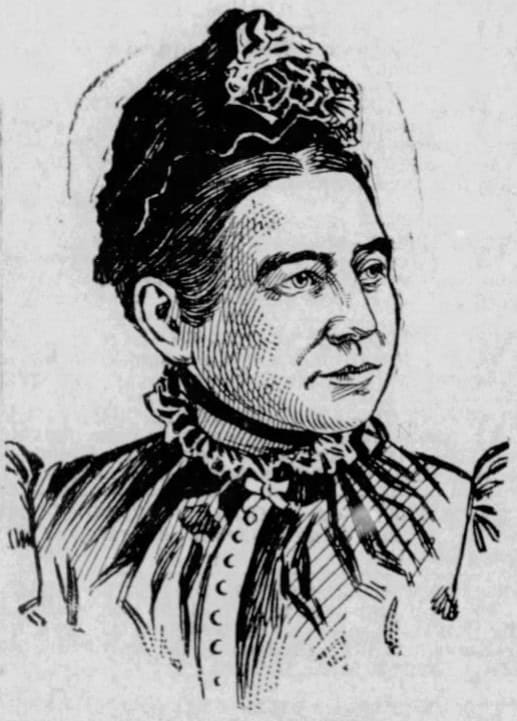
Maria Beasley of Philadelphia was a professional inventor who lived on her patents, the most profitable of which was an 1878 machine for hooping barrels. Her life rafts, patented in 1880 and again in 1882, replaced the flat wooden rafts carried by steamships with a folding frame of rectangular metal floats and guard rails that could be stowed compactly and launched quickly. Her design was shown at the 1884 World’s Industrial and Cotton Centennial Exposition in New Orleans, and the raft is her best-remembered patent. The engraved portrait above was published in 1897; she held fifteen patents in all.
8. The hand-cranked ice cream freezer (Nancy Johnson, 1843)
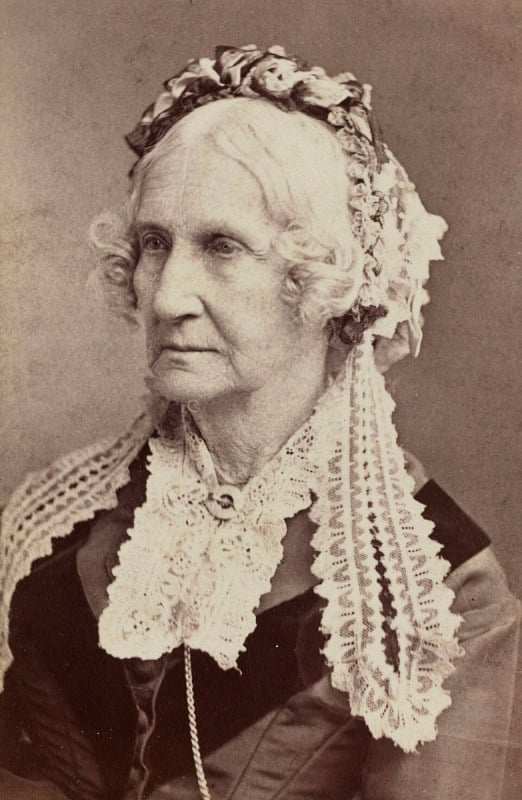
Ice cream before 1843 was made by stirring a bowl set inside a bucket of ice and salt by hand, for an hour. Nancy Johnson of Philadelphia patented an “artificial freezer” on 9 September 1843 (US 3,254): an inner cylinder for the cream, an outer tub for the ice and salt, and a crank that turned a dasher to scrape the frozen cream off the cold wall and keep the mixture smooth. She sold the patent rights for a modest sum to a Philadelphia wholesaler, William Young, who put the freezers into production, and the design is the one every home ice cream maker, electric or hand-cranked, still uses. Johnson later taught in schools for freed people in South Carolina after the Civil War; her portrait above dates from about 1875.
9. The submarine telescope (Sarah Mather, 1845)
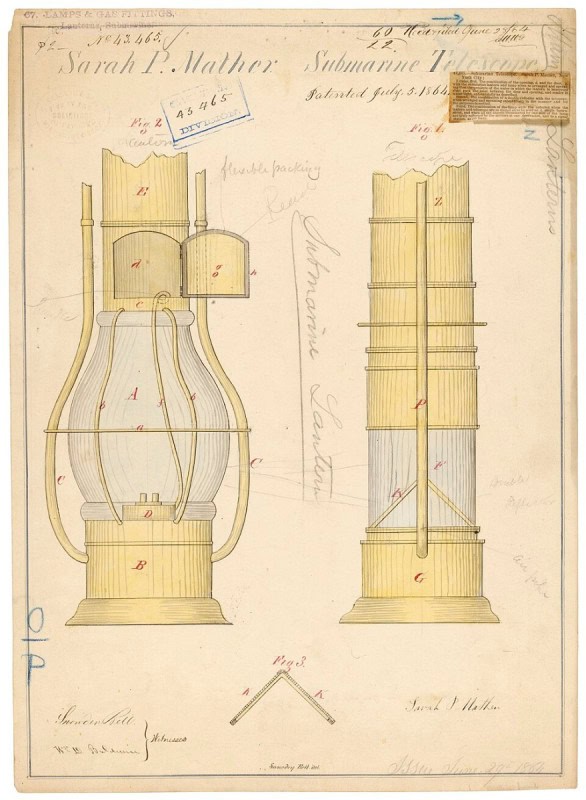
Sarah Mather of Brooklyn patented a “submarine telescope and lamp” on 16 April 1845 (US 3,995): a tube with a glass end and a lamp inside it, lowered from a ship so that the hull, or the seabed, could be inspected from the deck without diving. She improved the lamp in an 1864 patent, during the Civil War, when it was proposed for detecting Confederate submarines and underwater obstructions; the illustration above is from that year. Her tube is the ancestor of the glass-bottomed viewing devices used in hull surveys before the underwater camera, and one of the earliest patents for looking under water rather than going there.
10. The signal flare (Martha Coston, 1859)
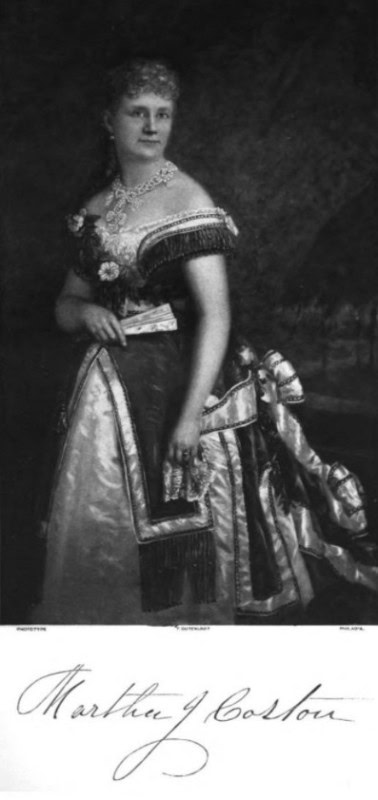
Martha Coston was widowed at twenty-one with four children and a notebook of her late husband’s, a naval scientist, in which he had sketched a system of coloured night signals that did not work. She spent ten years making it work, consulting pyrotechnists under a man’s name, and patented the Coston night signal on 5 April 1859 (US 23,536), as administratrix of her husband’s estate; the later improvements were patented in her own name. The flares burned in red, white and green in coded combinations and let ships communicate at night for the first time. The US Navy bought the rights and used them throughout the Civil War blockade, and the Coston signal remained in naval and lifesaving service into the twentieth century. The portrait above is from her 1886 memoir, A Signal Success.
11. The modern brassiere (Mary Phelps Jacob, 1914)
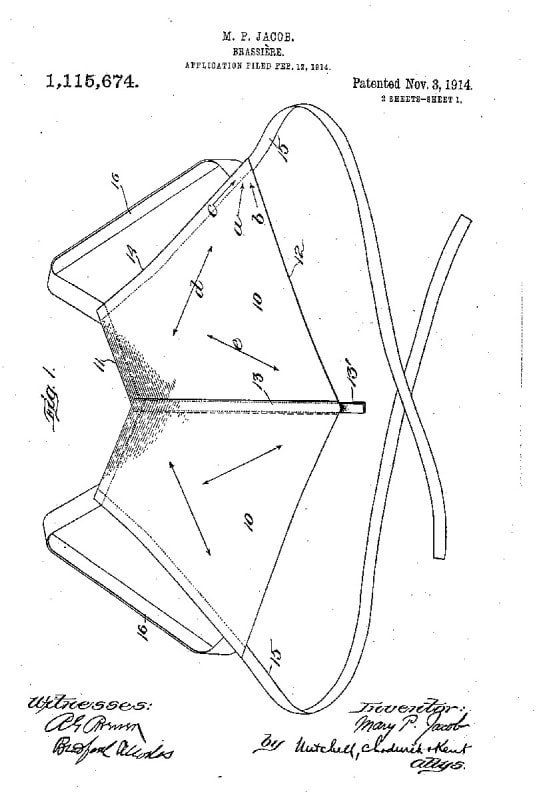
Dressing for a New York debutante ball in 1910, the nineteen-year-old Mary Phelps Jacob found that her whalebone corset showed through a sheer gown and had her maid sew two silk handkerchiefs together with pink ribbon instead. She patented the result on 3 November 1914 as a “backless brassiere” (US 1,115,674), the drawing above, and sold a few through a small company of her own before selling the patent to the Warner Brothers Corset Company for $1,500. Warner’s is reported to have earned some fifteen million dollars from the design over the following thirty years. Corsetry did not vanish overnight, but the soft, separate garment Jacob patented is the one the industry standardised on after the First World War.
12. The Landlord’s Game, the forerunner of Monopoly (Elizabeth Magie, 1904)
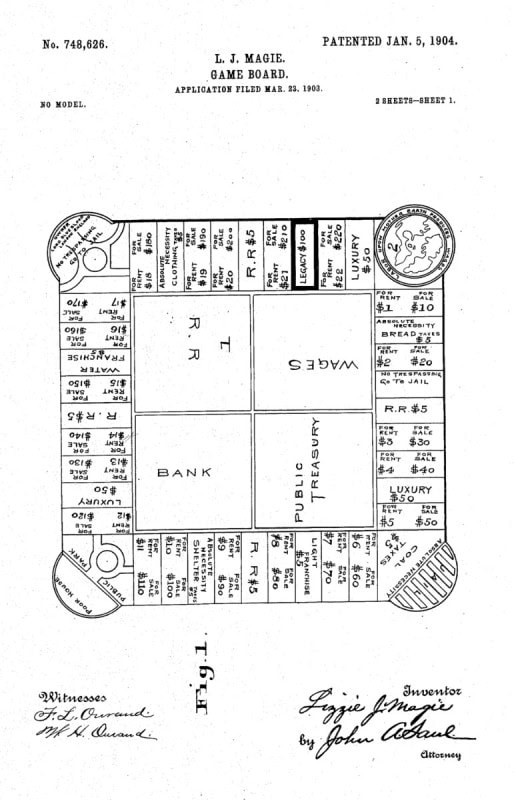
Elizabeth Magie, a stenographer and a follower of the economist Henry George, designed a board game to show what happens when land is monopolised, and patented it on 5 January 1904 (US 748,626). The patent drawing above shows a square track of properties with a corner marked “Go to Jail”, railroads, franchises and a public-park corner, and rents that rise as players buy. She patented a revised version in 1924. Home-made copies of her board circulated for thirty years, and the version Charles Darrow sold to Parker Brothers in 1935 as Monopoly was traced directly to one of them. Parker Brothers bought Magie’s 1924 patent that year for $500 and no royalty, a transaction brought to light by the economist Ralph Anspach, whose 1970s trademark fight over his own Anti-Monopoly game reopened the history. The anti-monopolist teaching game became the most successful property game ever sold.
13. The foot-pedal trash can and the refrigerator door shelf (Lillian Gilbreth, 1920s)
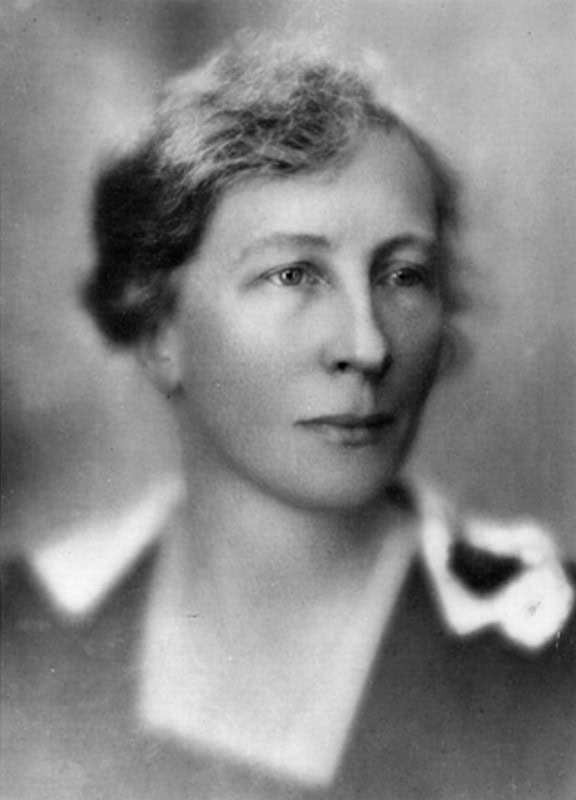
Lillian Moller Gilbreth was an industrial engineer with a doctorate in psychology who, after her husband Frank’s death in 1924, turned the motion studies they had done for factories onto the kitchen. Consulting for manufacturers and utilities, she designed the work-triangle kitchen layout and is credited with the pedal-operated lidded trash can and with shelves inside the refrigerator door, including the egg tray and butter compartment. These are credited to her by the companies she worked for and by her biographers rather than by patents in her name, and this entry states them on that basis. She is also credited with the design of an electric food mixer, and she was the first woman elected to the National Academy of Engineering. The photograph above is from 1921.
14. The bobbinless sewing machine and 48 other patents (Beulah Louise Henry, 1912 to 1970)
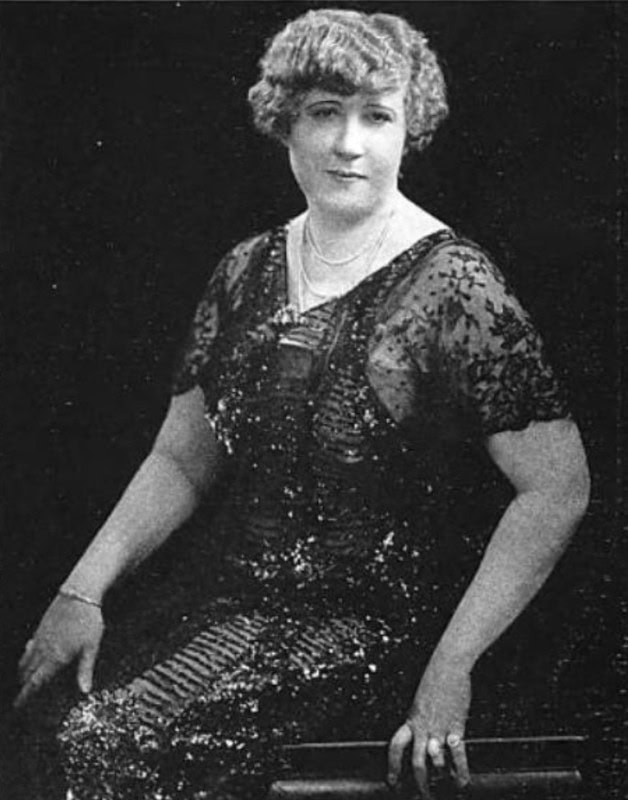
Beulah Louise Henry of Raleigh, North Carolina, was called “Lady Edison” by the newspapers of the 1920s, and the name was earned: she held forty-nine United States patents, beginning with a vacuum ice cream freezer in 1912 and including a parasol with snap-on covers in different colours, a typewriter attachment that made four copies without carbon paper, the “Miss Illusion” doll whose eyes changed colour, and in 1940 a lockstitch sewing machine that needed no bobbin. She worked without engineering training, dictating her designs to draughtsmen and model-makers from mental pictures, and lived off the royalties through two companies of her own. She was inducted into the National Inventors Hall of Fame in 2006. The photograph above was taken in 1928.
15. The chocolate chip cookie (Ruth Wakefield, 1938)
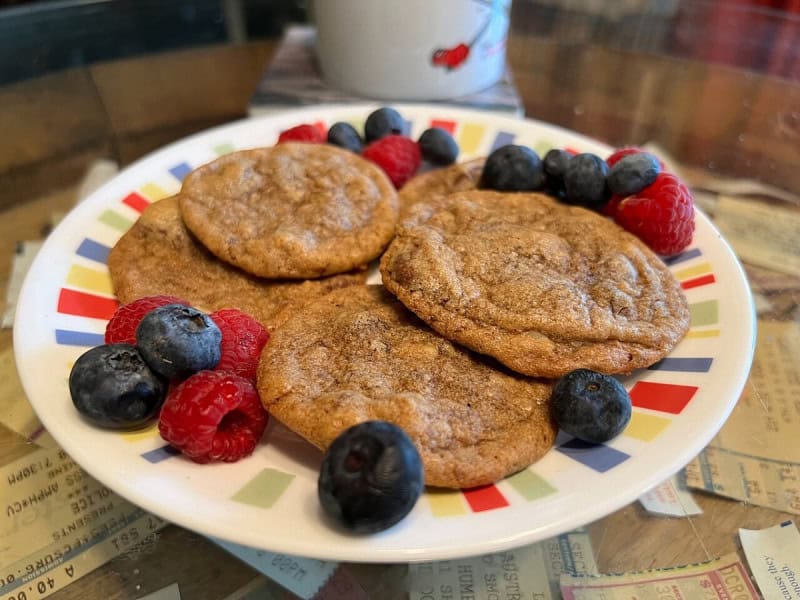
Ruth Wakefield, a trained dietitian, ran the Toll House Inn in Whitman, Massachusetts, with her husband from 1930, and the Toll House Chocolate Crunch Cookie first appeared in the 1938 edition of her cookbook Toll House Tried and True Recipes. The often-told story that the chips were a mistake, chocolate that failed to melt, is not what Wakefield herself said; she described the recipe as deliberate, a butterscotch-style cookie with semi-sweet chocolate cut into pieces. In 1939 she gave Nestlé the right to print the recipe on its semi-sweet bars and the use of the Toll House name, in exchange, in the version of the story most often told, for a dollar and a lifetime supply of chocolate, and Nestlé began scoring and then pre-chopping the bars into the morsels that still carry her recipe on the bag. It is the most widely baked cookie in the United States.
16. Barbie (Ruth Handler, 1959)
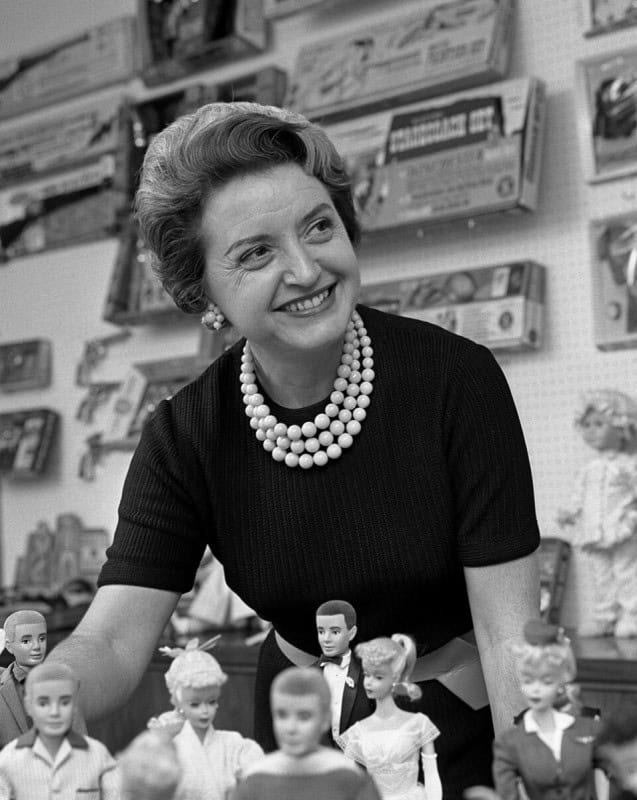
Ruth Handler co-founded Mattel in 1945 and, watching her daughter Barbara give adult roles to paper dolls, saw that American toy shops sold only baby dolls. The adult-bodied doll she developed, modelled on a German novelty doll she had bought on holiday, was named for her daughter and shown at the American International Toy Fair in New York on 9 March 1959. Buyers were sceptical; parents were not, and some 350,000 were sold in the first year. Handler was Mattel’s president until 1975, and after a mastectomy founded a second company, Nearly Me, that made a more realistic breast prosthesis, for which she also held patents. The photograph above was taken in 1961.
17. The home security system (Marie Van Brittan Brown, 1969)
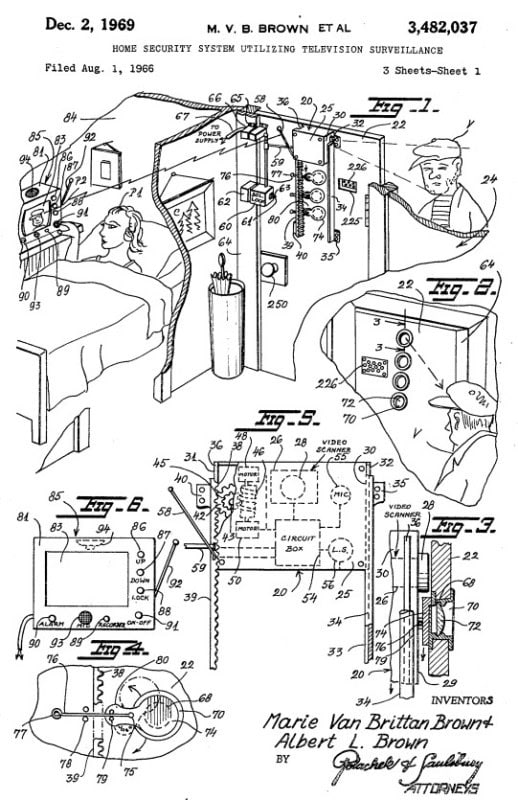
Marie Van Brittan Brown was a nurse in Queens, New York, who worked irregular hours and did not trust the police response in her neighbourhood. With her husband Albert, an electronics technician, she designed a system in which a camera slid behind a set of peepholes in the front door and showed the visitor on a television monitor in the bedroom, with a two-way microphone, a remote door release and a button that called the police. It was patented on 2 December 1969 (US 3,482,037, “Home security system utilizing television surveillance”); the drawing above is from the patent. Every element of a modern video doorbell, camera, screen, intercom and alarm, is in that drawing, and the patent is cited by later security patents into the twenty-first century.
Inventions by women in science and medicine
18. Non-reflective “invisible” glass (Katharine Burr Blodgett, 1938)
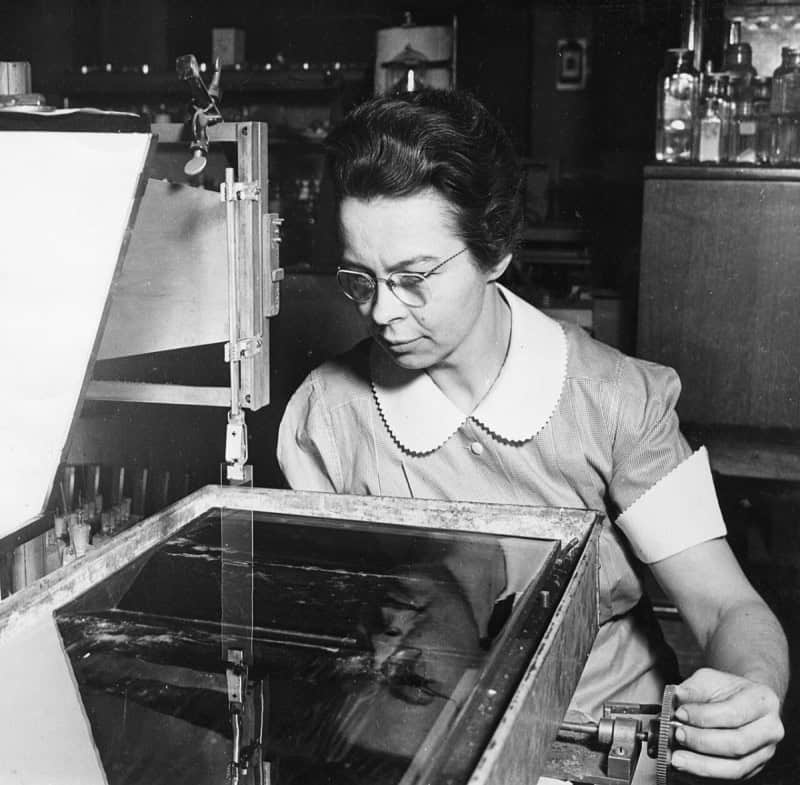
Katharine Burr Blodgett was the first woman to earn a physics doctorate at Cambridge and the first woman scientist hired by General Electric’s research laboratory in Schenectady. Working with Irving Langmuir on films one molecule thick, she found in 1938 that forty-four layers of a barium stearate film on glass, each a quarter of a wavelength of light deep, cancelled reflection almost completely; the result was glass that seemed not to be there. Her patent for the film structure issued in 1940 (US 2,220,860). The coating went onto camera lenses, projector lenses, periscopes and eyeglasses, and the anti-reflective coatings on every modern lens descend from it. The photograph above shows her demonstrating equipment in her GE laboratory.
19. The Apgar score (Virginia Apgar, 1952)
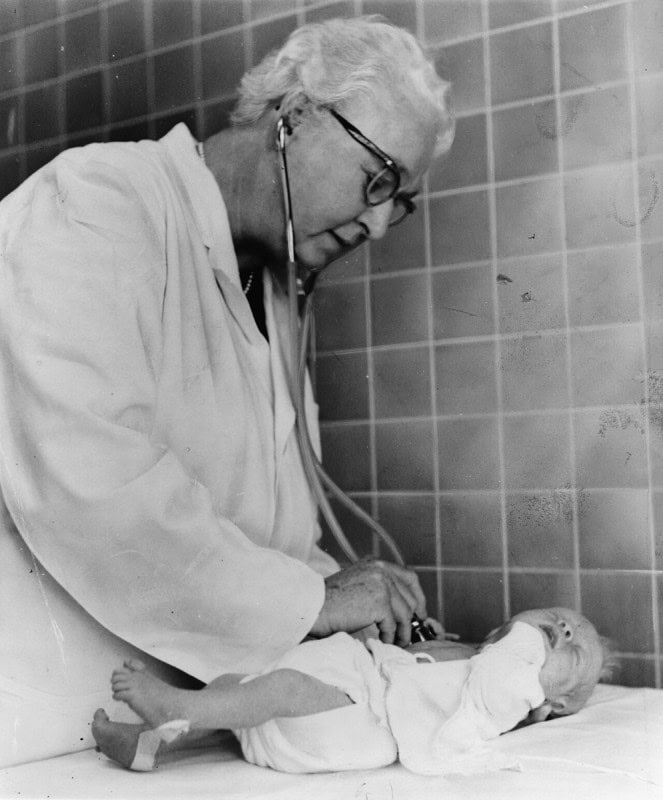
Virginia Apgar was an anaesthesiologist at Columbia who noticed that newborns were often sent to the nursery without anyone deciding whether they needed help. In 1952 she proposed, and in 1953 published, a one-minute test of five signs scored 0, 1 or 2 each: heart rate, breathing, muscle tone, reflex response and colour. The score, later spelled out as a backronym of her name, Appearance, Pulse, Grimace, Activity, Respiration, is still given to nearly every baby born in a hospital, at one minute and five minutes. It was the first standardised way of assessing a newborn and it changed delivery-room practice by making the baby, rather than only the mother, a patient to be observed. The photograph above shows her examining a newborn.
20. Nystatin, the first antifungal antibiotic (Elizabeth Hazen and Rachel Brown, 1950)
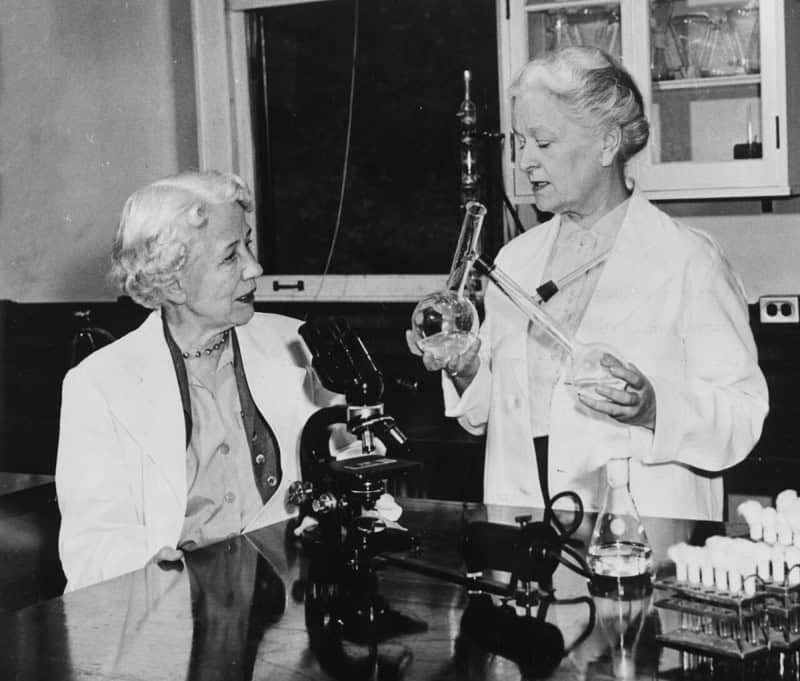
Elizabeth Lee Hazen, a microbiologist in New York City, and Rachel Fuller Brown, a chemist in Albany, worked for the New York State Department of Health two hundred miles apart and collaborated by mailing soil samples and cultures back and forth in glass jars. From a sample taken in a friend’s garden Hazen isolated a soil organism whose product killed fungi without killing the test animals; Brown purified it; and in 1950 they announced nystatin, named for the New York State laboratories. The patent issued in 1957 (US 2,797,183), and the two women assigned every dollar of the royalties, more than thirteen million over the patent’s life, to a non-profit fund for scientific research. Nystatin is still prescribed for fungal infections and was also used to save mould-damaged artworks after the 1966 Florence flood. The photograph above shows them in their laboratory in the 1950s.
21. Solar-heated housing and the solar still (Mária Telkes, 1940s)
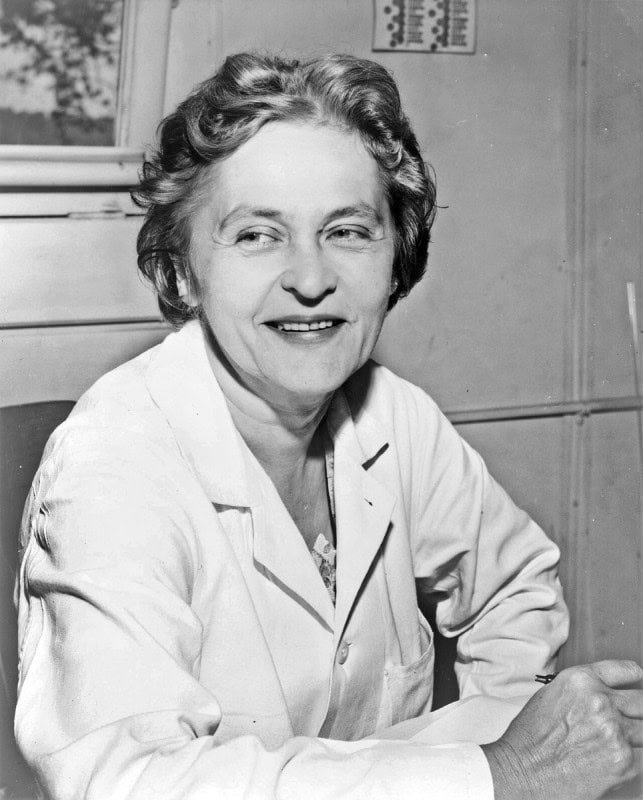
Mária Telkes, a Hungarian-born physical chemist at MIT, built the first house in the United States heated entirely by the sun. The Dover Sun House of 1948, designed with the architect Eleanor Raymond and paid for by the sculptor Amelia Peabody, collected heat behind south-facing glass and stored it in bins of Glauber’s salt, which melts at a temperature a house can use and gives the heat back as it re-crystallises; the family who lived in it went through two Massachusetts winters before the salt broke down. During the Second World War she had designed a solar still for life rafts that distilled seawater by sunlight, carried by the Navy and the Army Air Forces. She held more than twenty patents in solar heating, cooling and storage, and the phase-change materials she championed are back in use in modern buildings. The photograph above was taken in 1956.
22. Kevlar (Stephanie Kwolek, 1965)
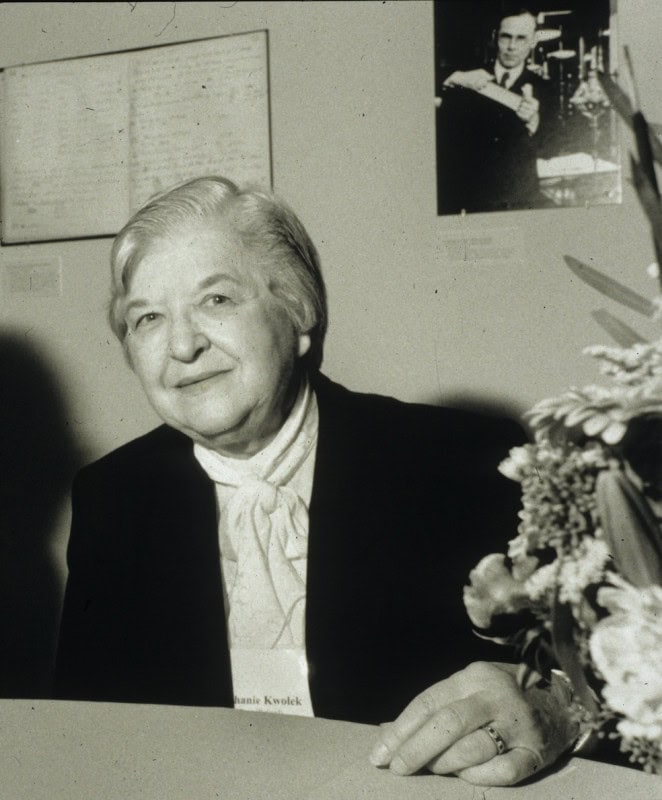
Stephanie Kwolek, a chemist at DuPont’s Pioneering Research Laboratory in Delaware, was looking in 1965 for a light, strong fibre to replace steel in car tyres against an expected petrol shortage. A polymer solution she prepared came out thin and cloudy instead of thick and clear, the sort of result that is normally thrown away; she persuaded a technician to spin it anyway, and the fibre that came out was five times stronger than steel by weight and did not break when the test machine was run again. DuPont named it Kevlar and brought it to market in 1971; Kwolek’s patent for the liquid-crystalline polymer solutions issued in 1972 (US 3,671,542). It is in body armour, brake pads, undersea cables, racing sails and the suits worn by firefighters, and Kwolek, who signed her royalties over to DuPont, was inducted into the National Inventors Hall of Fame in 1995. The photograph above is from the Chemical Heritage Foundation.
23. Acyclovir and the rational design of drugs (Gertrude Elion, 1950s to 1977)
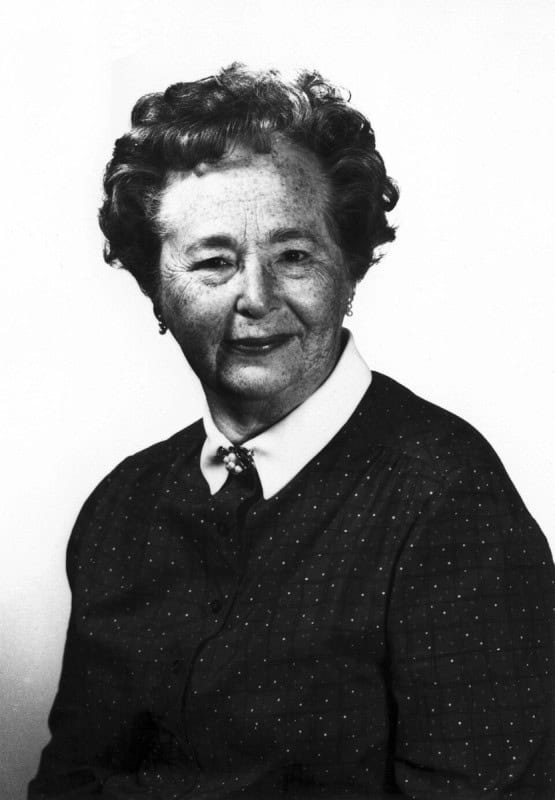
Gertrude Elion was turned down for fifteen laboratory jobs after graduating in chemistry in 1937, worked as a food-quality tester, and was hired by Burroughs Wellcome in 1944 as an assistant to George Hitchings. Together they abandoned trial-and-error screening and designed drugs to block the way diseased cells and pathogens reproduce: 6-mercaptopurine for childhood leukaemia in 1951, azathioprine, which made organ transplants possible, allopurinol for gout, and in 1977 acyclovir, the first drug effective against a virus, herpes, without harming the patient’s own cells. Elion held forty-five patents and shared the 1988 Nobel Prize in Physiology or Medicine with Hitchings and James Black; the team she trained went on to develop AZT, the first AIDS drug, after her retirement. The photograph above is from the National Cancer Institute.
24. Long-life nickel-hydrogen batteries (Olga González-Sanabria, 1980s)
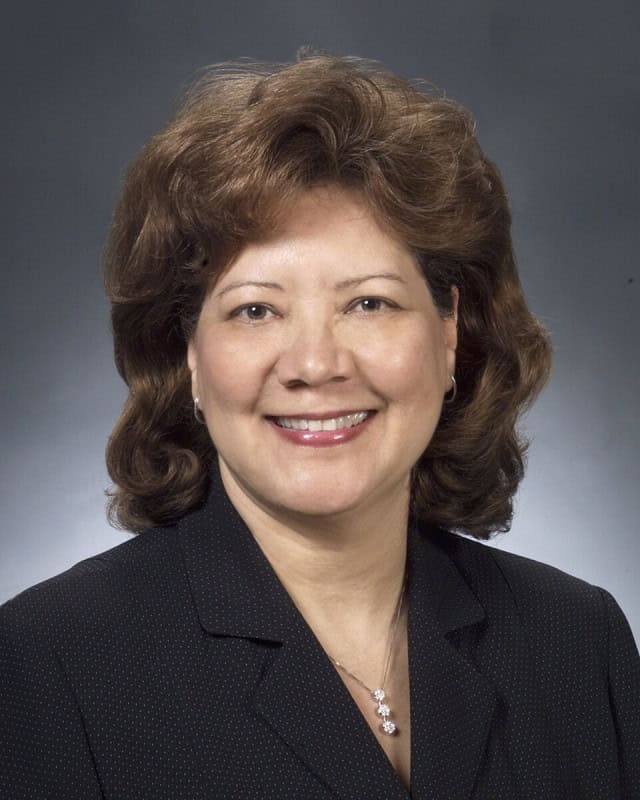
Olga González-Sanabria, a chemical engineer from Puerto Rico, joined NASA’s Lewis (now Glenn) Research Center in Cleveland in 1979 and worked on the nickel-hydrogen battery, the type that powers a satellite through the half of every orbit it spends in the Earth’s shadow. The separator and cell designs she developed with her colleagues extended the cycle life of the cells to the tens of thousands of charge-discharge cycles a long mission needs, and the “long cycle-life nickel-hydrogen battery” was adopted for the International Space Station’s power system. She later directed the center’s engineering directorate, became the highest-ranking Hispanic woman at NASA Glenn, and was inducted into the Ohio Women’s Hall of Fame in 2003. The portrait above is NASA’s.
25. The quiet arc lamp and the line divider (Hertha Ayrton, 1884 to 1900s)
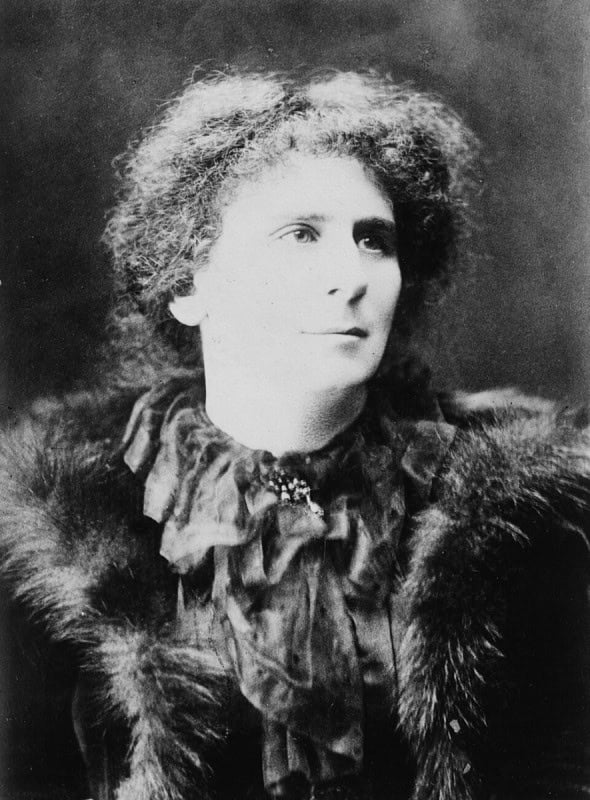
Hertha Ayrton’s first patent, in 1884, was a line divider, a draughtsman’s instrument for splitting a line into any number of equal parts, which sold to architects and engineers. Her lasting work was on the electric arc lamp that lit Victorian streets and theatres and that hissed, flickered and rotated for reasons nobody could explain. In a series of papers from 1895 she showed that the hiss came from oxygen reaching a crater in the positive carbon, and how to shape the carbons to stop it; her book The Electric Arc (1902) became the standard text, and her searchlight carbons were adopted by the Admiralty. She held twenty-six patents, was the first woman admitted to the Institution of Electrical Engineers in 1899, and in 1906 received the Royal Society’s Hughes Medal, which it would not award to a woman again for over a century. The photograph above is from the Bain News Service.
Inventions by women in computing and communications
26. The first published computer program (Ada Lovelace, 1843)
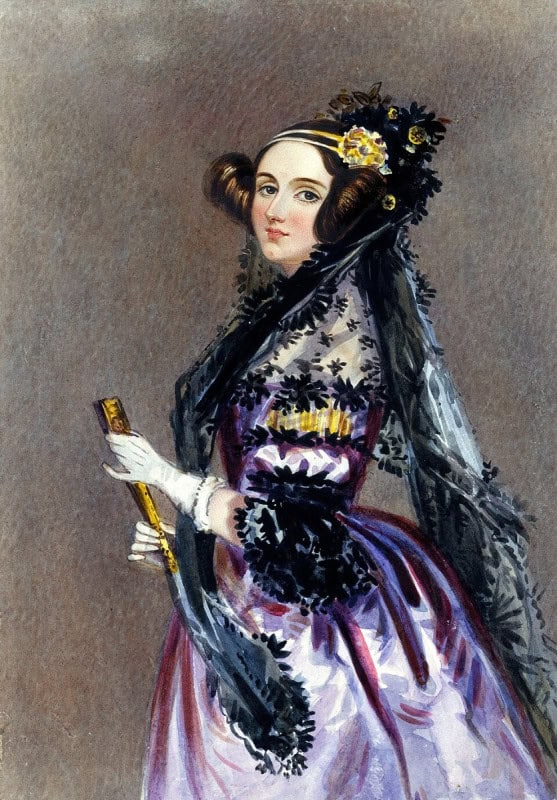
Ada Lovelace, the daughter of Lord Byron and a mathematician in her own right, translated an Italian paper on Charles Babbage’s proposed Analytical Engine in 1843 and added notes three times longer than the paper. The last of them, Note G, sets out step by step how the engine would compute the Bernoulli numbers, with the operations, the variables and the loop written out in a table; it is the first algorithm published for execution by a machine, which is why she is called the first programmer. The notes also contain the observation, which Babbage had not made, that an engine that manipulated symbols could compose music or anything else that could be reduced to rules. The engine was never built in her lifetime. The portrait above, by Alfred Edward Chalon, dates from about 1840.
27. The compiler and COBOL (Grace Hopper, 1952 and 1959)
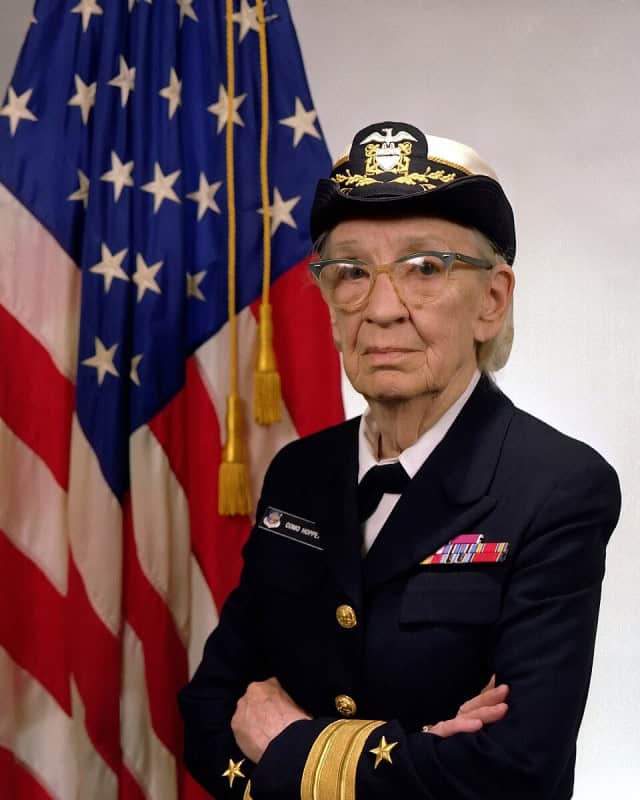
Grace Hopper, a mathematics professor who joined the Navy Reserve in 1943 and programmed the Harvard Mark I, wrote in 1952 the A-0 system for the UNIVAC, the first program that translated a programmer’s symbolic instructions into machine code: the first compiler, in her term. Her FLOW-MATIC of the late 1950s let business programs be written in English-like statements, and when the committee that designed COBOL met in 1959 it took FLOW-MATIC as its main model; Hopper served as technical adviser. COBOL became the language of banks, insurers and governments and still runs much of their processing. She was recalled to active duty into her seventies, retired as a rear admiral in 1986, and was photographed above as a commodore in 1984.
28. Frequency hopping, the ancestor of Wi-Fi and Bluetooth (Hedy Lamarr and George Antheil, 1942)
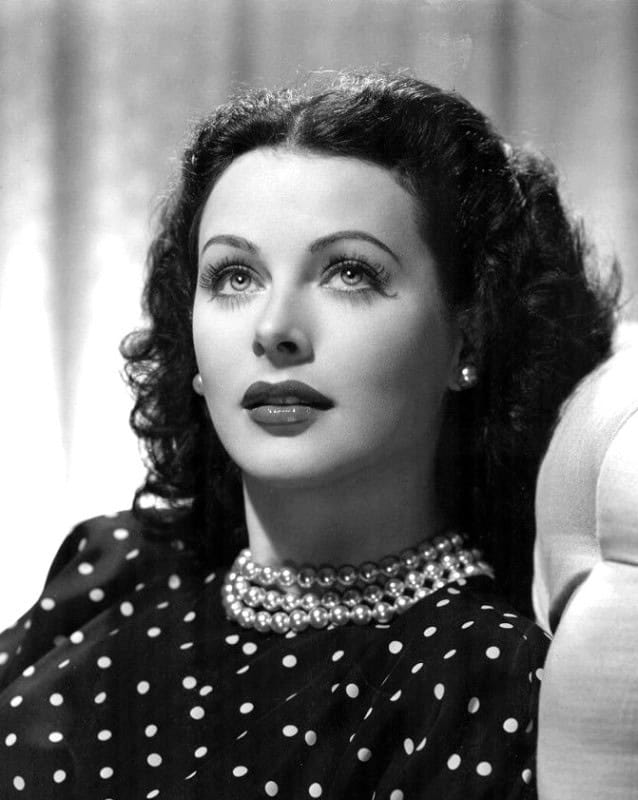
Hedy Lamarr was one of the highest-paid actresses in Hollywood when, in 1940, she and the composer George Antheil set out to stop German ships jamming the radio signals that guided Allied torpedoes. Their answer was to have the transmitter and the receiver hop together through eighty-eight frequencies in a sequence set by matched piano rolls, so that no jammer could follow. The patent for the “Secret Communication System” issued on 11 August 1942 (US 2,292,387). The Navy filed it away; the patent expired in 1959, and frequency-hopping equipment first went to sea on American ships during the 1962 Cuban blockade. Spread-spectrum techniques of the same family are in Bluetooth and in early Wi-Fi standards, which is the sense, and the only sense, in which the patent is Wi-Fi’s ancestor. Lamarr and Antheil received the Electronic Frontier Foundation’s Pioneer Award in 1997, and she was inducted into the National Inventors Hall of Fame in 2014. The photograph above is a 1944 studio portrait.
29. The spanning tree protocol (Radia Perlman, 1985)

Radia Perlman was an engineer at Digital Equipment Corporation in 1984 when she was asked to find a way for bridges in an Ethernet network to forward traffic without the frames circling forever when the network contained a loop. The algorithm she wrote, in which the bridges elect a root and prune the network to a loop-free tree while keeping the spare links in reserve, took her a week to design; she published it in 1985 with the method written out as a poem, the Algorhyme. The spanning tree protocol was adopted as the IEEE 802.1D standard and runs in essentially every Ethernet switch made since, which is why she is sometimes called the mother of the internet, a title she dislikes. Her later work on TRILL and on network security continued the same theme of making large networks forgiving of mistakes. The photograph above is from 2009.
30. Optical inspection systems (Ellen Ochoa, 1987 to 1990)
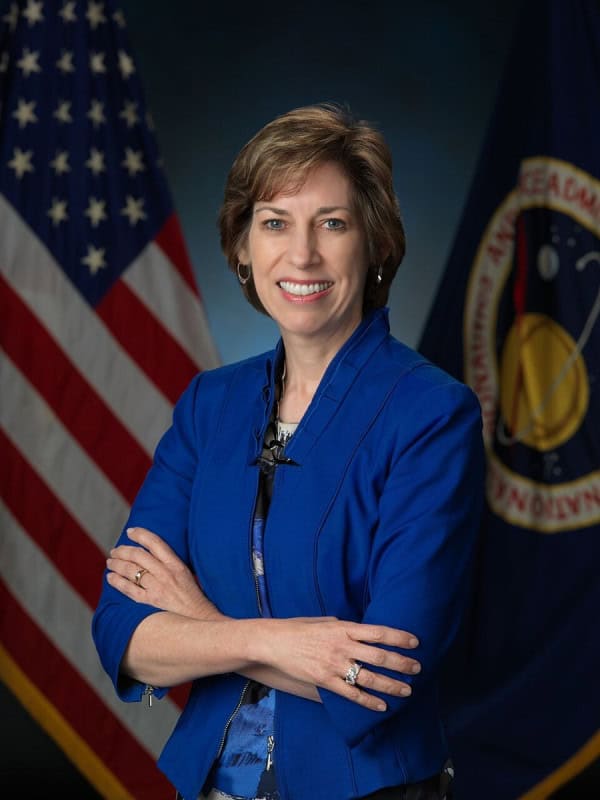
Before she became the first Hispanic woman in space, Ellen Ochoa was an optical engineer at Sandia National Laboratories and at NASA Ames, and she is co-inventor on three patents: an optical system that inspects an object for defects by comparing it with a stored image, a method for recognising objects by their optical signature, and a system for removing noise from images, all from 1987 to 1990. The techniques belong to the family of optical processing that was then expected to do what digital image processing later did. She flew four Space Shuttle missions from 1993, logged nearly a thousand hours in orbit, and directed the Johnson Space Center from 2013 to 2018. The portrait above is NASA’s official one.
Frequently asked questions
What is the most famous invention by a woman?
By the number of people who use it every day, Kevlar, the windshield wiper and the dishwasher share the answer; by the number of people who have heard the inventor’s name, it is Hedy Lamarr’s frequency hopping, because of who she was. Grace Hopper’s compiler is the one with the longest reach, since every program written since in a language other than machine code passes through a descendant of it.
What everyday items were invented by women?
From this list: the dishwasher, the flat-bottomed paper bag, the windshield wiper, the paper coffee filter, the fold-away bed, the hand-cranked ice cream maker, the modern bra, the pedal bin and the refrigerator door shelf, the chocolate chip cookie, Barbie, the video intercom at the front door, and the anti-reflective coating on your glasses and your phone camera. Monopoly’s board descends from a woman’s patent, and the heat storage in a modern passive house descends from Mária Telkes’s salt bins.
Did men take credit for inventions by women?
In the documented cases on this page, three times in three different ways. Charles Annan copied Margaret Knight’s bag machine and lost in court. Parker Brothers bought Elizabeth Magie’s patent for $500 and told the story of Monopoly as Charles Darrow’s for forty years. Hedy Lamarr and George Antheil’s patent expired before the Navy used the idea, so no one paid for it. More often the record shows something less dramatic: a patent sold cheaply (Nancy Johnson, Mary Phelps Jacob), a patent that could not be sold at all (Mary Anderson), or credit by reputation rather than by patent (Lillian Gilbreth). The entries above say which applies in each case.
Who was the first woman to receive a US patent?
Mary Dixon Kies of Connecticut, on 5 May 1809, for a method of weaving straw with silk or thread for hats; the original record was lost in the Patent Office fire of 1836. Under the law of the time a married woman could not own property in most states, which is one reason so few patents were issued to women before the 1840s and why some early inventions by women were patented in their husbands’ names.
How were these thirty chosen?
Each one is an invention rather than a discovery, each is tied to a named woman by a patent, a product record or a company’s own account, and each is still in use or visibly descended into something that is. Where a popular attribution does not meet that test, such as Tabitha Babbitt and the circular saw or Catharine Greene and the cotton gin, it is left out rather than repeated. The patent numbers are given so that any patented entry can be checked at the Patent Office in a minute. The site’s list of inventions that changed the world puts several of these alongside the printing press and the transistor.
Image credits
Patent drawings are the work of the United States Patent Office and are in the public domain. The portraits of Melitta Bentz, Maria Beasley, Nancy Johnson, Martha Coston, Lillian Gilbreth, Beulah Louise Henry, Mária Telkes (New York World-Telegram and Sun), Hertha Ayrton (Bain News Service), Ada Lovelace (Alfred Edward Chalon), Hedy Lamarr (1944 studio portrait) and Radia Perlman, the Sarah Mather illustration, and the photographs of Virginia Apgar (World Journal Tribune, Al Ravenna), Grace Hopper (US Navy), Gertrude Elion (National Cancer Institute), Olga González-Sanabria and Ellen Ochoa (NASA) are in the public domain; the photographs of Katharine Blodgett and of Elizabeth Hazen and Rachel Brown are Smithsonian Institution Archives images with no known copyright restrictions. All are reproduced via Wikimedia Commons. Three images are under Creative Commons licences: the Toll House cookies photograph by Capvideo (CC BY 4.0); the 1961 photograph of Ruth Handler, originally published by the Los Angeles Times, restored (CC BY 4.0); and the portrait of Stephanie Kwolek by Harry Kalish for the Chemical Heritage Foundation (CC BY-SA 3.0).